Our Integrated Farm Model
Eight interlinked enterprises working in harmony to create a resilient, closed-loop agricultural system
The Nutrient Loop Ecosystem
Our farm is a carefully balanced system where waste from one enterprise becomes a resource for another, creating sustainable nutrient cycles that benefit crops, livestock, soil, and water resources.
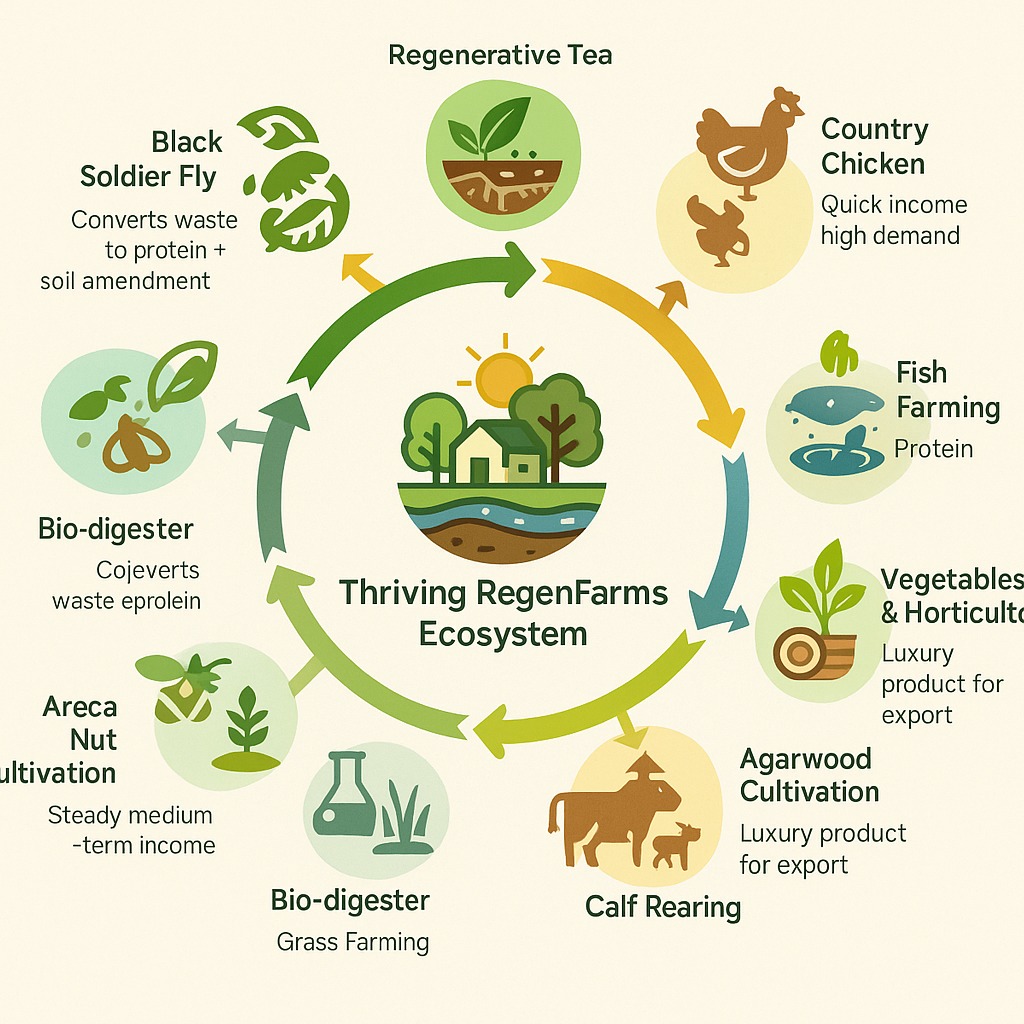
Our Interconnected Enterprises
Each component of our farm is carefully designed to support and enhance the others, creating a closed-loop system that maximizes efficiency and sustainability.

1. Regenerative Tea Cultivation
Using organic methods to grow premium tea while rebuilding soil health through companion planting and natural amendments from our other enterprises.
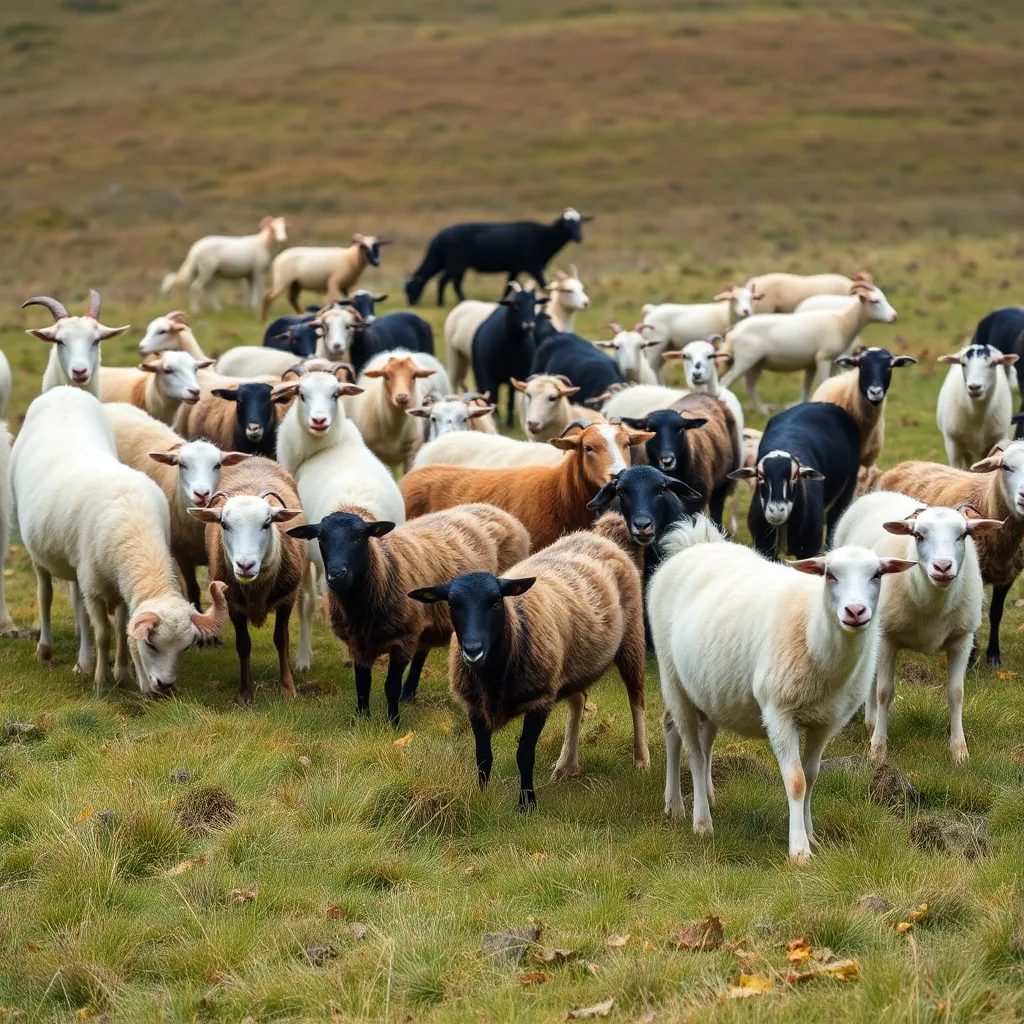
2. Sheep & Goat Rearing
Grass-fed livestock that provide meat, milk, and manure while helping manage vegetation and fertilize our fields through rotational grazing.

3. Country Chicken Rearing
Heritage breeds raised on pasture that control pests, provide eggs and meat, and contribute nutrient-rich manure to our compost systems.

4. Fish Farming
Aquaculture systems that utilize nutrient-rich water from other enterprises to grow fish while providing irrigation water for crops.

5. Vegetable Production
Intensive organic vegetable cultivation using compost and manure from our livestock, with crop diversity to support soil and ecosystem health.

6. Black Soldier Fly Farming
Insects that efficiently convert organic waste into high-protein animal feed while helping manage farm waste streams.

7. Bio-digester Operations
Anaerobic digesters that convert manure and crop residues into biogas for energy, while producing nutrient-rich digestate fertilizer.

8. Grass Farming
Diverse perennial pastures that feed our livestock, prevent erosion, sequester carbon, and improve water infiltration across the landscape.
How the System Works Together
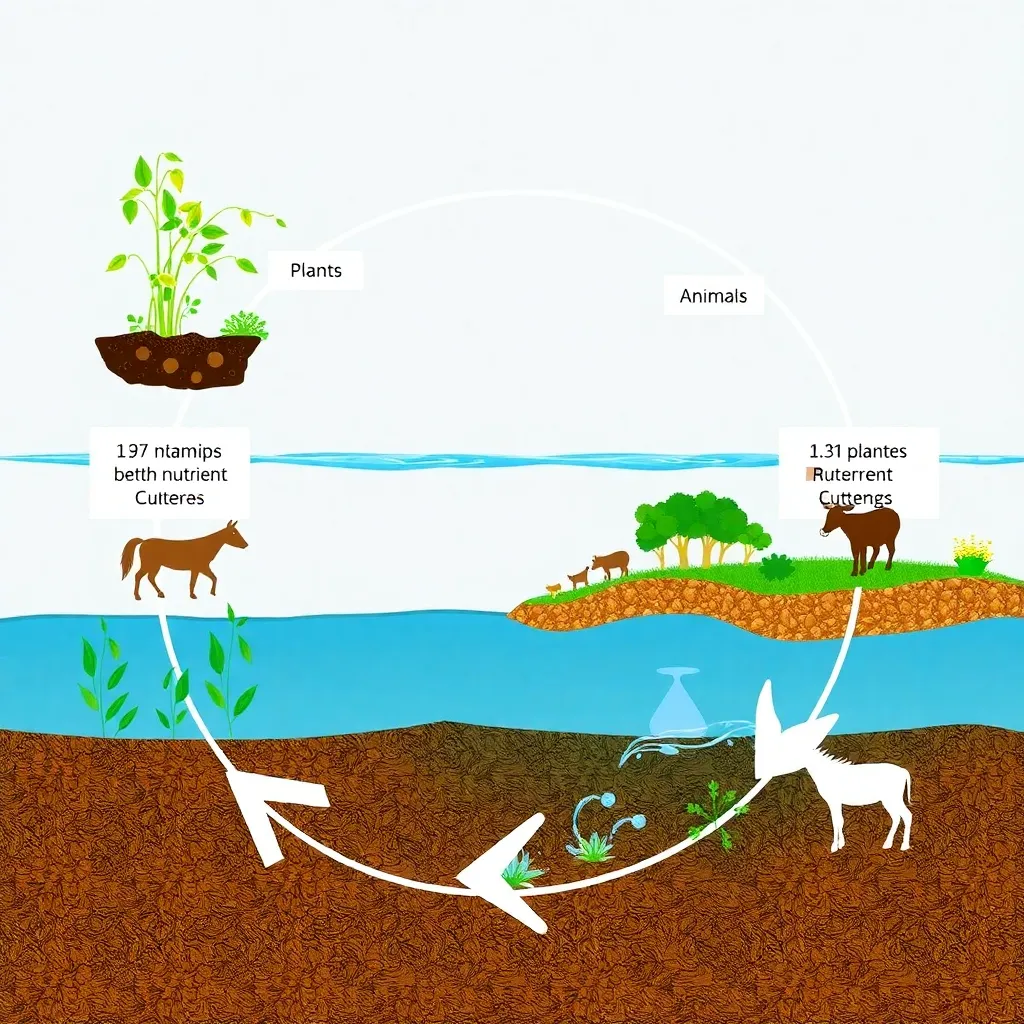
Closed-Loop Nutrient Cycling
Waste from one enterprise becomes food for another. Manure fertilizes crops, crop residues feed livestock and insects, and insect protein supplements animal feed. Water is carefully managed through fish ponds that irrigate crops.

Renewable Energy Integration
Our bio-digesters convert organic waste into biogas for cooking and electricity, while solar panels complement our energy needs. This reduces reliance on external energy sources while managing waste streams.

Water Conservation & Recycling
Water moves through our system efficiently – from fish ponds to irrigation, to treatment in constructed wetlands, before being reused. This minimizes water waste while supporting diverse aquatic and terrestrial life.