

Carbon Credits
A New Green Currency and the Advantage for Plantation Companies
By Chetan Joshi, RPJ Tea Founder
In a world where climate accountability and sustainability are no longer choices, carbon credits have become an influential economic and environmental instrument. With the world struggling to combat climate change, these credits not only assist in the reduction of emissions but also provide the chance to make money out of environmentally friendly practices. The next few years could be watershed moments for plantation companies, with carbon becoming a tradable commodity that brings ecological as well as economic benefits.
In a world where climate accountability and sustainability are no longer choices, carbon credits have become an influential economic and environmental instrument. With the world struggling to combat climate change, these credits not only assist in the reduction of emissions but also provide the chance to make money out of environmentally friendly practices. The next few years could be watershed moments for plantation companies, with carbon becoming a tradable commodity that brings ecological as well as economic benefits.
Chetan Joshi sees opportunities in this transition, putting plantation companies in the pole position. As India sets up its own carbon exchange and earth-saving efforts internationally pick up pace, carbon credits can emerge as the new global currency, much like crypto exchanges changed digital money.
Understanding Carbon Credits
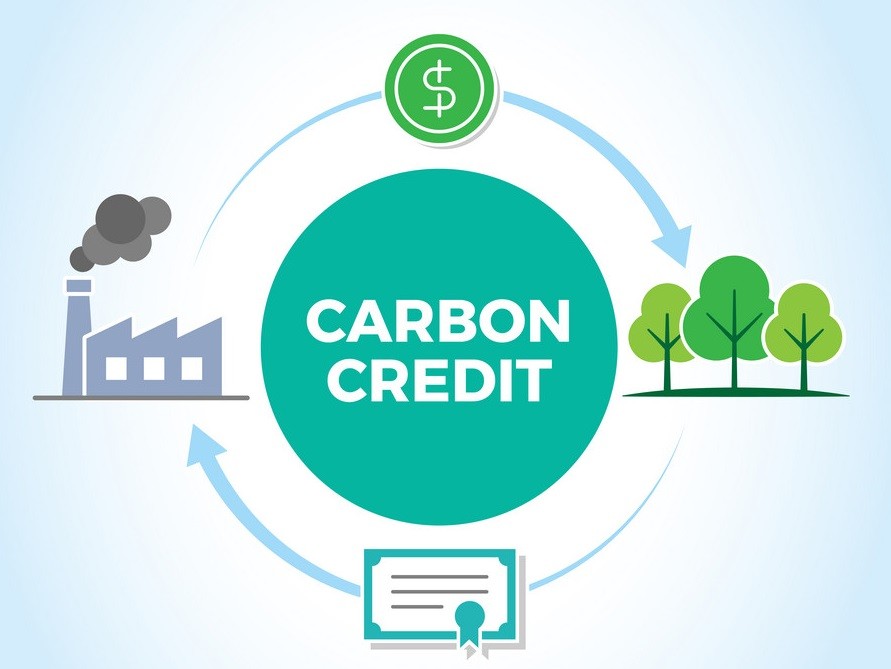
A carbon credit is a license to emit a predetermined quantity of carbon dioxide or equivalent greenhouse gases—usually one tonne of CO2e. Businesses that have emissions below their allotment can offload their extra credits to over-limit emitters, establishing a market-based system of overall emissions reduction.
Monetising Carbon Credits: The Road Ahead
With increasing climate regulations and an uptick in global net-zero pledges, the market for carbon credits is going to skyrocket. Plantation businesses can gain from some pivotal advancements:
- Voluntary Carbon Markets (VCMs): Expanding fast as companies voluntarily seek offsets for their emissions. Plantations that practice afforestation, reforestation, or agroforestry are able to produce credits that are certified by prominent organizations like Verra (VCS), Gold Standard, or India’s own Indian Carbon Registry (ICR).
- State-Initiated Schemes: India is developing a formal carbon marketplace under the Bureau of Energy Efficiency (BEE), harmonizing carbon markets with national climate policy and making monetisation easier for participants.
- Carbon Credit Futures: Emerging exchanges for carbon credit futures will allow businesses to hedge against price volatility while managing climate risks.
Why Plantation Companies Have a Competitive Edge
Plantations will be the next goldmine, according to Chetan Joshi, as corporations with large parcels of land can benefit hugely from carbon credit trading on these new exchanges. Large plantations—especially those growing rubber, coffee, and tea—will reap an early benefit in this fast-changing niche.
- Natural Carbon Sinks: Trees sequester large quantities of CO2 each year in photosynthesis, trading this sequestration as usable carbon credits.
- Affordable Solutions: In contrast to expensive industrial carbon-capture technology, plantations offer a low-cost, continuous method of producing credits while enhancing environmental well-being.
- Recurring Income Streams: Carbon credits provide a secondary, repeat income beyond timber, fruit, and biomass production, both locally and globally.
- Green Finance Access: Carbon-sequestration projects can access funding through green bonds, sustainability-linked loans, and ESG-centered investment.
- Improve ESG Reputation: Active engagement in carbon farming enhances a business’s ESG reputation, appealing to green investors and partners.



Challenges to Overcome
In spite of the potential, plantation firms have to overcome some challenges:
- Certification Sophistication: Certification proves time-consuming and expensive, maybe discouraging little operators without collective platforms or government subsidies.
- Price Volatility: Carbon credit prices move with certification, geography, and demand; long-term contracts and hedging are needed.
- Evolving Policy Landscape: In developing markets such as India, regulatory uncertainty may momentarily dislodge carbon trading stability.
With carbon credits increasingly the money of climate action, plantation companies have a unique chance to shape the future sustainably. As India’s soon-to-be-launched carbon exchange and international acceptance of carbon as a tradable commodity take shape, early backers of measurable carbon sequestration projects will not just enhance profits but also be pioneers of a green financial revolution.

Leave a Reply